
Paint correction before a ceramic coating isn’t always required, but it’s often recommended. A coating bonds to the clear coat exactly as it is. Light swirls, haze, and dullness present before the coating goes on will still be there afterward, now preserved along with the paint. That’s why a careful installer starts with a paint inspection, not a product.
Four questions decide whether preparation pays off: what machine polishing removes, what it cannot fix, where paint correction sits in the coating process, and what Wichita and Maize drivers ask before booking. Checking clear-coat condition under direct shop lighting first prevents locking wash marring beneath a multi-year coating.
What Is Paint Correction?
Paint correction is machine polishing that levels the clear coat to remove fine defects such as swirl marks and haze. Your vehicle’s paint is a layered system, and the top layer is the clear coat, a transparent finish that carries the gloss and shields the color beneath it. Over time, the clear coat collects fine scratches from washing and drying, automatic car wash brushes, and dust wiped off a dry panel. In direct sun they show up as swirl marks or a hazy, dull look.
A polisher and an abrasive compound or polish take off a very thin layer of clear coat, so light reflects evenly again. It isn’t a filler or a cover-up. The scratch disappears because the surrounding surface has been brought down to its depth.
Why Does Clear Coat Thickness Set the Limit?
Clear coat has a finite thickness, and every polishing pass removes a small amount of it. A scratch that stays within the clear coat can often be improved or removed. A scratch that has cut through the clear coat, one you can often catch with a fingernail, usually can’t be fixed by polishing alone.
Why Does Paint Correction Matter Before a Ceramic Coating?
A ceramic coating preserves the surface it’s applied to. It doesn’t hide defects, and it doesn’t repair them. Waxes and sealants sit on top of the paint and wear away over time, while a coating bonds to the clear coat. That bond can help the surface resist UV exposure, road salt, bird droppings, and tree sap, and it’s also why preparation matters so much.
A deeper gloss can even make remaining swirls easier to notice in direct sunlight. If paint has visible defects when it’s coated, those defects are protected along with everything else. Correcting first means the finish being preserved is the best version of that paint, not the most tired one.
Fixing defects after a coating is applied is sometimes possible, but it can mean working through the coating, which can undo much of the original application. Doing the work in the right order gives the coating a cleaner surface to bond to. RP Auto Detailing ICT offers both paint correction and ceramic coatings, and its ceramic coating service page is the place to start on the coating side.
What Usually Happens Before the Coating Goes On?
Most coating jobs follow the same general sequence: wash, decontamination, inspection, correction if needed, and surface cleaning before application. Procedures vary between installers, so read this as a general industry outline, not a description of any one shop’s process. The steps work like this:
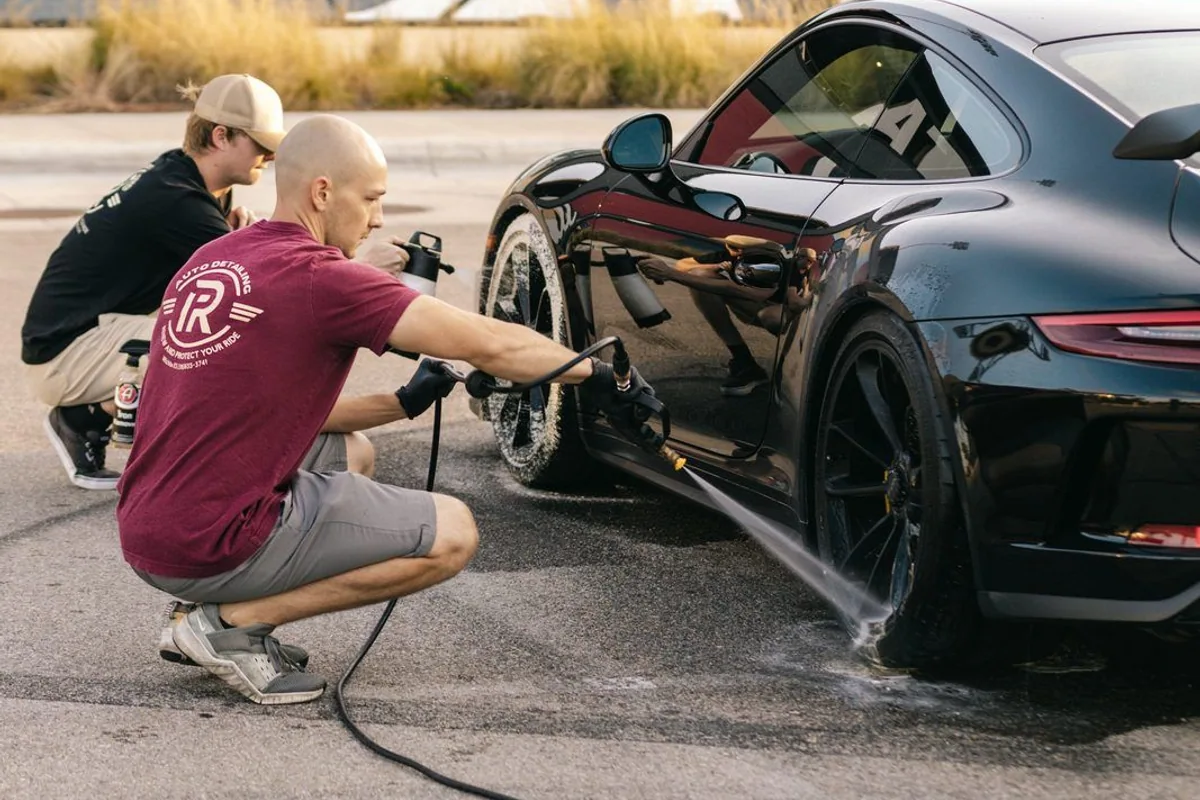
Every pre-coating preparation appointment follows four core stages before application begins:
- Wash and decontamination. The vehicle is washed thoroughly, then treated for bonded contaminants that a normal wash leaves behind, such as industrial fallout, tar, and embedded brake dust.
- Inspection. Paint is examined under strong, direct light, because many defects are invisible in shade or on an overcast day. A careful installer may also measure paint thickness in places, since that helps assess how much paint material may safely be removed.
- Correction, if needed. The amount of polishing is matched to the defects. Fine swirls often respond to a gentle polish, while heavier defects call for more aggressive abrasives, which remove more clear coat. The sensible goal is the least aggressive approach that works.
- Surface cleaning before application. Polishing leaves oils and residue on the paint, and these need to be removed so the coating bonds properly to the prepared surface. Skipping this step is one of the ways a coating can underperform.
Only after those steps does the coating go on. That’s also why coating quotes can differ so much from one provider to the next. A quote that includes inspection, decontamination, and correction covers more work than a quote for application alone. Our guide to ceramic coating cost and the factors behind pricing explains how paint condition changes the scope of a job.
How Can You Check Your Own Paint First?
A few minutes in good light is enough to get a rough idea of where your paint stands, and you don’t need special equipment. Three quick checks cover the basics.
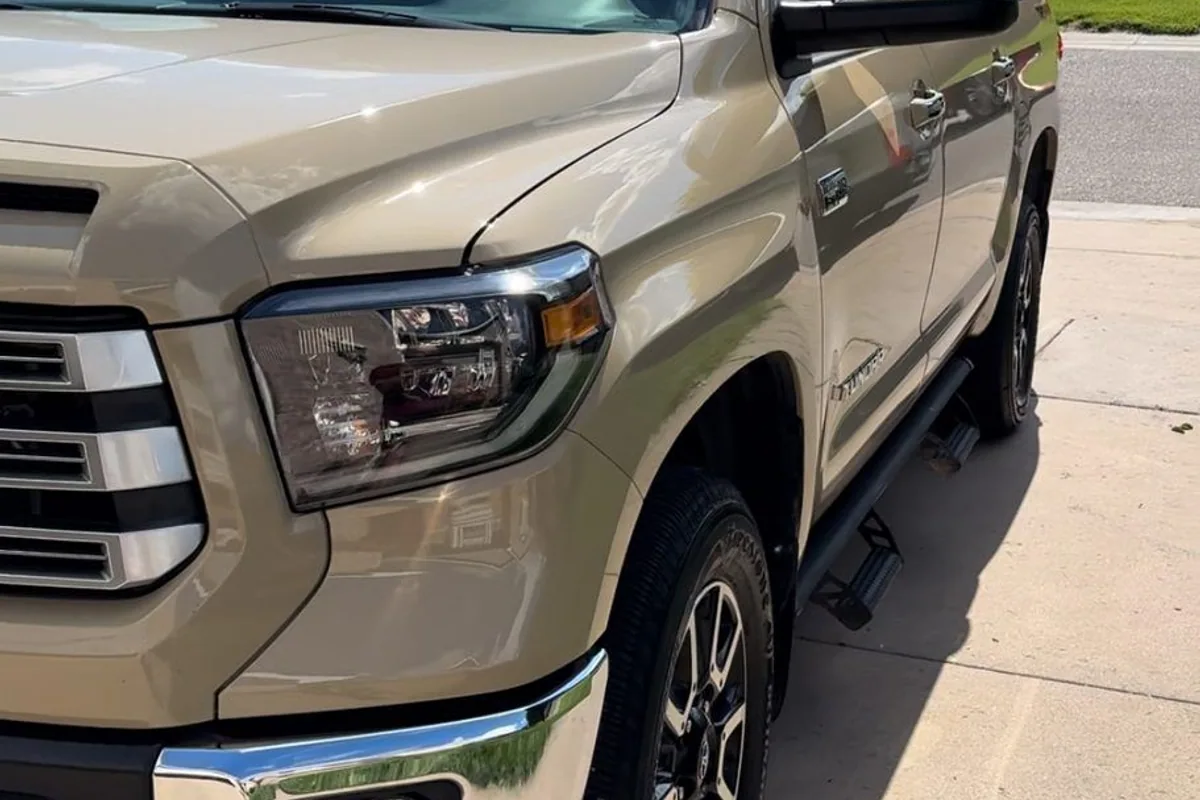
Look for Swirl Marks
Swirl marks show up as fine circular or spider-web patterns when light hits them at the right angle. Park the vehicle in direct sunlight, or shine a bright flashlight across the panels at a low angle. Check the hood and roof first, because horizontal panels take the most abuse. Dark colors show these marks far more readily than white or silver.
Feel for Bonded Contamination
Bonded contamination feels rough or gritty on paint that’s freshly washed and dried. Slide your fingertips lightly over a clean panel. A thin plastic bag over the hand exaggerates the texture. If the paint feels rough, contamination may be stuck to the surface, and polishing in that state could drag those particles across it.
Try the Fingernail Test
A scratch that catches your fingernail often extends deeper into the clear coat than polishing alone safely removes. Run a fingernail gently across any visible scratch to check. This is a rough guide only. A proper inspection by someone who works with paint every day will tell you far more than a driveway test.
Does Every Vehicle Need Paint Correction?
No. Paint correction is a decision based on the condition of the paint, not a mandatory step. A newer vehicle with light imperfections may need very little, while years of automatic washes and dry dusting often leave widespread swirls that benefit from correction.
The table below shows how common paint conditions generally line up with the next step. It’s general industry guidance, not a promise about any one vehicle.
| Paint condition | Usual next step | What to expect |
|---|---|---|
| Light imperfections on a newer vehicle | A gentle polish, or very little | Modest work for a modest problem |
| Widespread swirls from automatic washes and dry dusting | Correction often helps | Most light swirls can be improved significantly |
| Deep scratch extending through the clear coat | Repair or repainting, not polishing alone | Some marks may be reduced but not eliminated |
| Peeling clear coat or a rock chip down to primer or metal | Repair or repainting | A coating does not restore the damaged surface |
| Heavily polished in the past | Limited further correction | Less clear coat may remain to work with |
| Matte or satin finish | Products designed for that finish | Can’t be polished like gloss paint |
A frank inspection should tell you which category your paint falls into, and it should be honest when the answer is “this part won’t come back.” If the vehicle is brand new, whether to apply Ceramic Coating is a separate decision with its own considerations.
What About Matte and Satin Finishes?
Matte and satin finishes are a special case, because polishing changes their sheen. They can’t be polished like gloss paint, and they need products designed for them. If your vehicle has a matte finish, ask about that before assuming any coating or correction service is suitable.
How Do Wichita Conditions and Timing Affect Your Paint?
Paint defects accumulate gradually rather than arriving in one dramatic event.
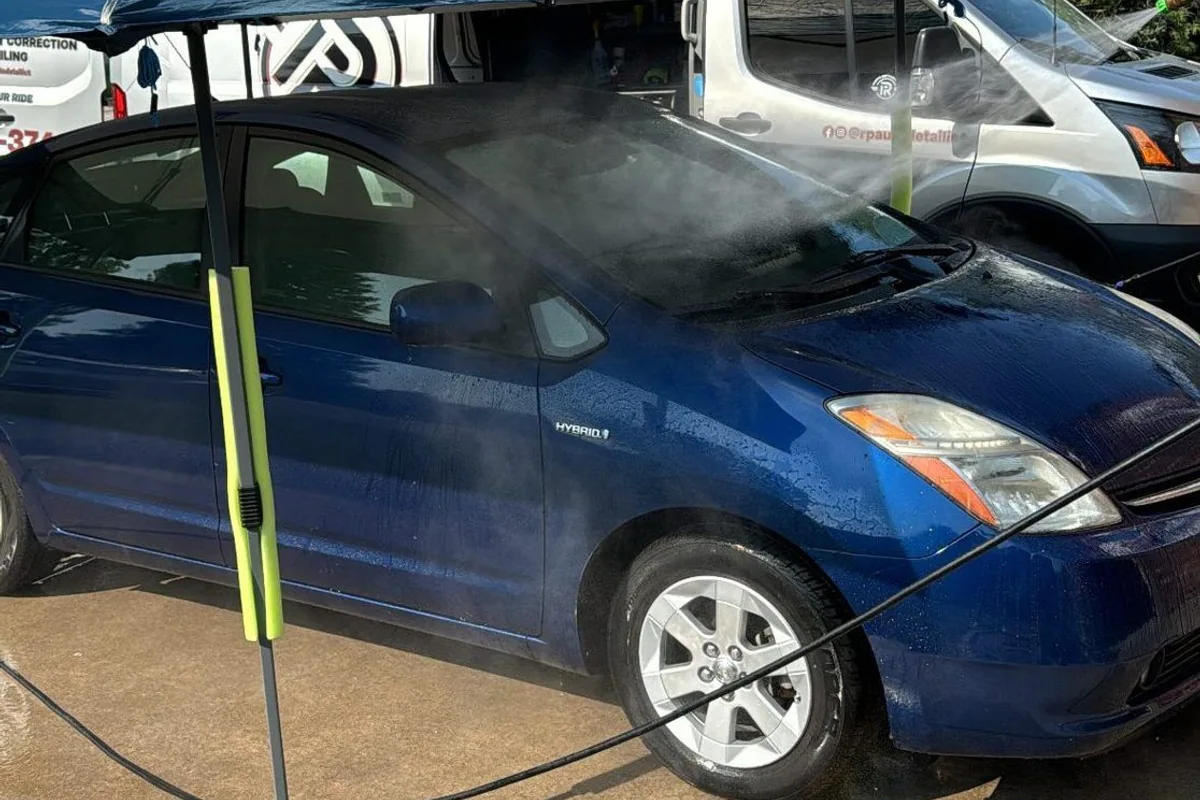
Where Do Paint Defects Come From in Wichita?
Fine dust is a frequent culprit for Wichita drivers. Dust that settles on a vehicle acts like a mild abrasive when it’s wiped off dry, or when a dirty mitt carries it across the surface. Pollen, road grime, and the washing habits that follow add to the pattern, and strong sun makes the resulting marks easier to see.
None of this means paint needs correcting every year. It means the best defense against new swirl marks is a gentle routine. The habits below make the biggest difference:
- Rinse first. Rinsing removes loose grit before anything touches the paint.
- Use a clean mitt and pH-neutral soap. A dirty mitt drags trapped grit across the surface.
- Don’t wipe dry panels. Dry with a soft towel instead.
- Think twice about automatic washes. Spinning brushes are a common source of fine marring, so they’re worth avoiding on corrected paint.
When Should You Schedule Correction and Coating?
The paint’s condition sets the schedule, not the calendar. Some drivers prefer to finish both before winter, so the vehicle enters the season of road salt and brine with a clean, protected surface. Others choose late spring, ahead of the strongest summer sun. The more important point is to avoid coating over paint you already know needs work just because a convenient slot opened up.
What Don’t Paint Correction and Ceramic Coating Do?
Neither paint correction nor a ceramic coating delivers flawless, maintenance-free paint.
What Paint Correction Doesn’t Do
Paint correction improves the finish, but it doesn’t guarantee flawless paint, and it isn’t appropriate for every vehicle. Most light swirls can be improved significantly, some deeper marks may be reduced but not eliminated, and a few will remain.
It also doesn’t provide lasting protection by itself. Freshly corrected paint can start collecting the same contamination again. That’s the logic behind pairing correction with a ceramic coating when the goal is long-term preservation. Correction alone is still a reasonable choice if you simply want the paint to look better.
What a Coating Doesn’t Do After Application
A coating on corrected paint isn’t scratch-proof, isn’t maintenance-free, and isn’t a substitute for washing. It doesn’t provide the physical impact protection of paint protection film, so rock chips and parking-lot contact remain risks. What it does is make cleaning easier and help the surface resist staining and fading.
Habits determine how well that holds up. Wash by hand with a clean mitt, rinse off bird droppings and sap promptly, and avoid harsh automated washes. Our article on ceramic coating myths covers the most common misunderstandings about what a coating can and can’t promise.
Questions to Ask Before Choosing a Paint Correction and Coating Provider
The best questions are specific ones, because specific questions get specific answers. These five produce useful responses when you’re comparing providers or deciding if correction is worth it:
- Inspection. How will my paint be inspected, and under what lighting?
- Recommendation. Do you recommend correction for my vehicle, and at what level? Why?
- Limits. Which defects are likely to remain after correction?
- Preparation. What does preparation include before the coating is applied?
- Aftercare. How should I wash the vehicle afterward, and when?
Clear, specific answers matter more than confident promises. A provider who explains the limits of your paint has usually looked at it carefully.
If you’re considering a ceramic coating, decide about preparation first. The condition before application sets the ceiling on the result.
Frequently Asked Questions
Is paint correction required before ceramic coating?
Not always. It depends on the paint’s condition after inspection. A coating preserves the surface as it is, so visible swirls and haze remain under it. Correction is often recommended when defects are noticeable.
Does paint correction remove all scratches?
No. It can improve or remove many light swirls and scratches that sit within the clear coat. Deeper scratches that cut through the clear coat usually can’t be fixed by polishing alone, and some marks may only be reduced.
Is paint correction the same as polishing or waxing?
Paint correction uses machine polishing to remove defects by taking off a very thin layer of clear coat. Waxing adds a temporary layer on top and doesn’t remove defects, so it can’t replace correction.
Can paint be corrected too many times?
Clear coat has a finite thickness, so repeated correction has limits. Each correction removes a small amount of it. That’s why the least aggressive approach that works is preferred, and why heavily polished paint may have less to spare.
Will a ceramic coating hide swirl marks?
No. A coating preserves the condition of the paint and doesn’t conceal defects. A deep gloss can make remaining swirls easier to see in direct sun.
How can I tell if my paint needs correction?
Look in direct sun for circular swirl patterns and feel for roughness after a wash. Those are rough indicators only. An inspection by someone who works with paint every day is the reliable way to know.
Discuss Paint Correction Before Ceramic Coating in Wichita
If you’re considering a ceramic coating, start with the condition of your paint. RP Auto Detailing ICT offers Paint Correction and Ceramic Coatings services in Wichita, Kansas, along with paint correction in Derby and ceramic coatings in Andover.
To discuss your vehicle’s paint and what’s realistic, call (316) 655-3741, or explore the Paint Correction service before scheduling an appointment. Buying a brand-new vehicle instead? Read our guide to ceramic coating a new car in Wichita or contact RP Auto Detailing ICT.