
Ceramic coating has gained a lot of attention in recent years, and with that attention come assumptions, some accurate and many overstated. Vehicle owners researching whether ceramic coating is right for their situation often encounter claims that sound too good to be true. Understanding what ceramic coating actually does, and more importantly what it doesn’t do, helps you make an informed decision.
Myth 1: Ceramic Coating Is Permanent and Never Needs Reapplication
One of the most persistent claims about ceramic coating is that it lasts forever. This isn’t accurate. Ceramic coating bonds to the clear coat, but its protective performance can diminish over time due to washing, environmental exposure, and everyday use.
How long does ceramic coating actually last? That depends on the specific product, application quality, driving conditions, and maintenance. RP Auto Detailing ICT offers Ceramic Coatings packages with different protection durations, including a one-year option and packages advertised for five to seven years.
This doesn’t mean the coating is a bad investment. It means ceramic coating is a long-term protective choice, not a permanent one. Eventually, the coating may need reapplication or refreshing.
Myth 2: Ceramic Coating Is Scratch-Proof and Self-Healing
Ceramic coating will not make your paint scratch-proof or prevent rock chips and significant physical impacts. Although some coatings offer resistance to minor surface marring, they don’t repair existing damage or make deep scratches disappear.
What ceramic coating does offer is resistance to certain environmental contaminants, including bird droppings, tree sap, and road grime. It’s not the same as impact protection. If rock chips are your primary concern, Paint Protection Film offers better physical protection, though it’s a different solution with its own tradeoffs.
Myth 3: You Never Have to Wash a Ceramic-Coated Car
This is one of the most misleading claims about ceramic coating. The truth is that you still have to wash your car regularly. What changes is how easily contaminants can be removed.
Ceramic coating creates a hydrophobic surface, so water beads and rolls off more easily. Dust, pollen, and grime are also generally easier to wash away.
But “easier to clean” is not the same as “self-cleaning.” Dust still accumulates. Pollen still settles on the paint. Road grime still builds up. Regular washing remains necessary, with frequency depending on how the vehicle is driven and maintained.
Myth 4: Ceramic Coating Eliminates the Need for Professional Detailing
A related misconception is that once you have ceramic coating, you never need professional detailing again. Ceramic coating changes the type of detailing you need, but doesn’t eliminate it.
Over time, contamination that regular washing can’t fully remove builds up on the coating. Professional detailing using proper decontamination techniques can remove this buildup and help improve hydrophobic performance when contamination is the cause.
For a coated vehicle, this might be less frequent than for an uncoated one, but it’s still part of a proper maintenance routine.
Myth 5: Ceramic Coating Hides Paint Defects and Damage
Ceramic coating will not conceal swirl marks, scratches, or paint damage that already exists. In fact, the glossy finish of a ceramic-coated surface can make minor imperfections more visible under bright light because reflections become more pronounced.
If your vehicle’s paint has swirl marks or light scratches, Paint Correction before ceramic coating application may be recommended. However, not every vehicle requires the same level of correction.
Applying coating over damaged paint means the coating is covering existing imperfections, not hiding or repairing them.
Myth 6: Ceramic Coating Is Maintenance-Free
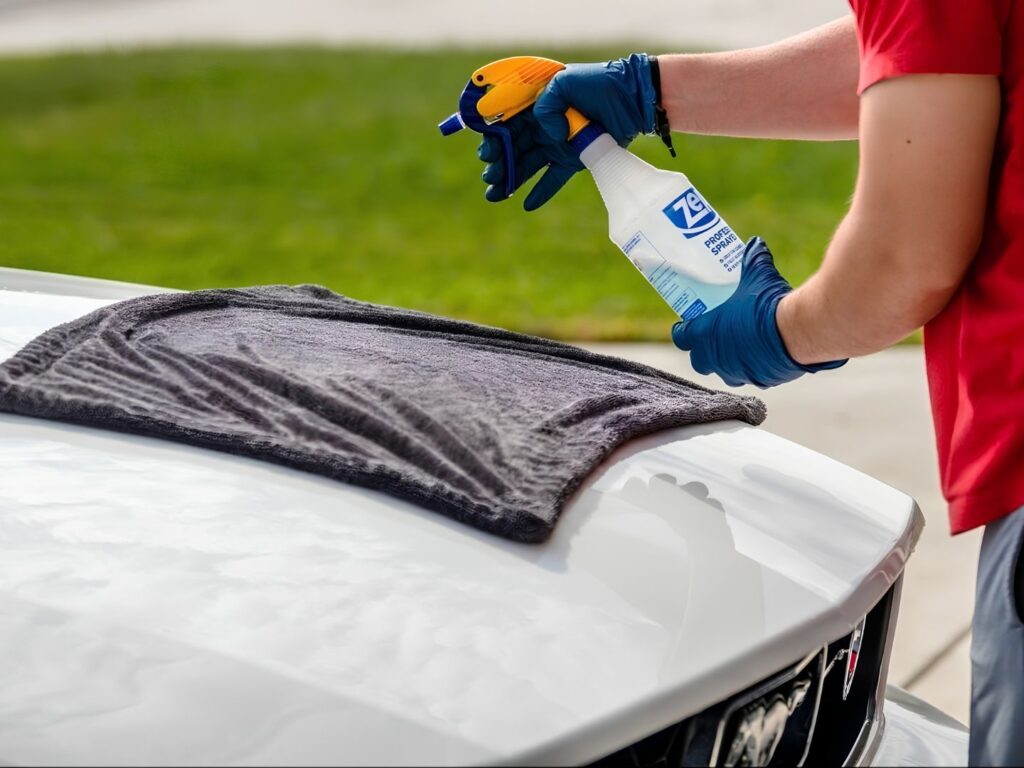
The word “low-maintenance” gets attached to ceramic coating so often that it’s easy to hear it as “maintenance-free.” They’re not the same thing.
Beyond regular washing, ceramic coating care includes prompt removal of contaminants, seasonal adjustments for Wichita’s climate, and occasional inspection or professional decontamination when necessary.
“Low-maintenance” means the routine is straightforward. It doesn’t mean you can neglect your vehicle and expect the coating to perform like new.
Myth 7: All Ceramic Coatings Are the Same
Ceramic coating products vary significantly in composition, durability, gloss, hydrophobic properties, and application requirements.
Application quality also matters. Proper surface preparation, decontamination, and correct application techniques affect how well a coating performs. Even a premium product may underperform if applied incorrectly.
When evaluating coating options, the product itself is only one variable. Installation quality and post-application maintenance also matter. Understanding how to choose the right Ceramic Coating can help you find an option that suits your vehicle and expectations.
Myth 8: Ceramic Coating Is a Substitute for Paint Protection Film
This is worth clarifying because the two serve different purposes. Ceramic coating provides environmental protection and a hydrophobic surface that makes routine cleaning easier.
Paint Protection Film provides a thicker physical barrier designed to protect against rock chips and certain scratches. The two can work together, but they’re not interchangeable.
If you’re mainly concerned about environmental contaminants, gloss, and easier cleaning, ceramic coating may be appropriate. If you’re concerned about rock chips from highway driving, Paint Protection Film offers better impact protection.
Setting Realistic Expectations
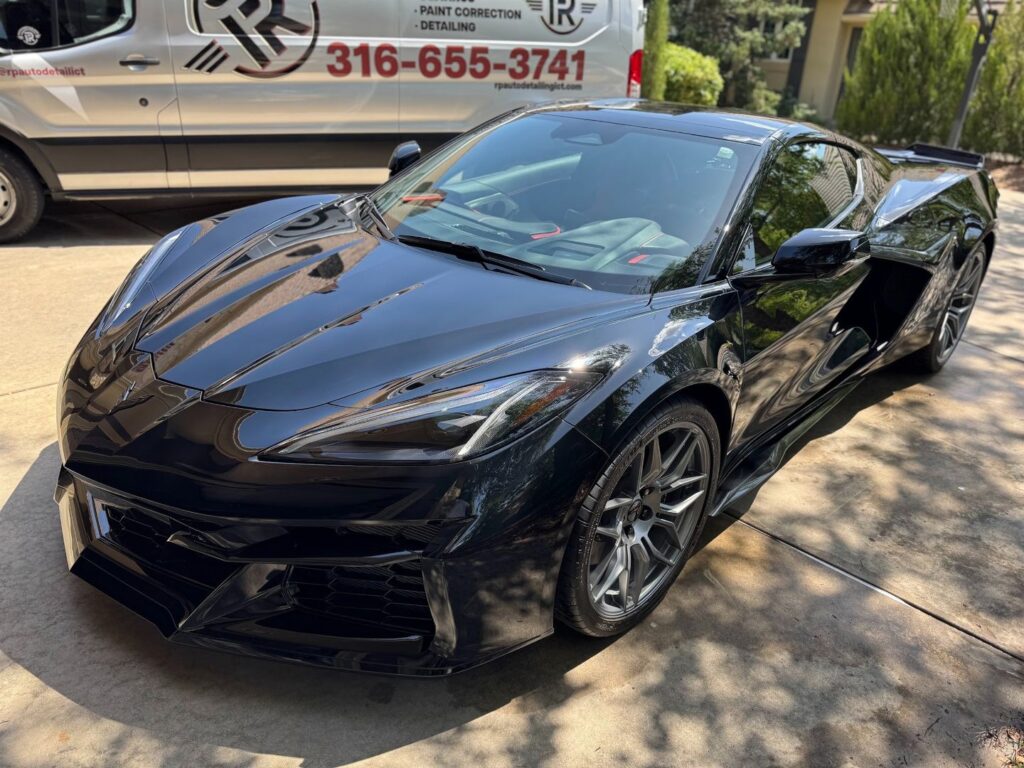
Ceramic coating is an effective protective solution when expectations are set correctly. It can make your vehicle’s paint easier to clean, help resist certain environmental contaminants, and enhance gloss and color depth. Depending on the product and maintenance, it can provide multi-year protection.
What it won’t do is eliminate the need for washing, hide paint defects, prevent every scratch, or last forever without maintenance.
For Wichita drivers considering ceramic coating, RP Auto Detailing ICT can explain the available Ceramic Coatings packages and help you determine which option suits your vehicle and protection goals.
Frequently Asked Questions
How long does ceramic coating actually last?
Durability depends on the product, application quality, and maintenance. RP Auto Detailing ICT offers Ceramic Coatings options ranging from a one-year coating to packages advertised for five to seven years. Actual performance depends on driving conditions and proper care.
Will ceramic coating prevent water spots?
Ceramic coating helps water bead and roll off, but water spots can still occur when mineral deposits remain after evaporation. Drying the vehicle after washing helps reduce spotting.
Can I apply ceramic coating myself at home?
Consumer-grade ceramic coatings are available for DIY application. Professional installation offers advantages in surface preparation and application consistency, although results depend on the product and technique used.
Does ceramic coating affect my car’s warranty?
Ceramic coating does not automatically void a factory warranty. However, coverage depends on the manufacturer’s terms and the cause of any damage. Coating products may also have separate warranty conditions.
Can ceramic coating protect paint without Paint Correction first?
Yes. Paint Correction isn’t always necessary before coating, but proper surface preparation is important. Existing swirl marks, scratches, or oxidation won’t disappear beneath the coating.
Knowing What Ceramic Coating Can Really Do
Understanding the benefits and limitations of Ceramic Coating helps you make a more informed investment.
If you’re considering Ceramic Coatings in Wichita, KS, contact RP Auto Detailing ICT at (316) 655-3741 to discuss your vehicle’s condition and available protection options.