
Ceramic coating a new car makes sense when the paint is inspected and prepared first. A new finish is at its best, but it isn’t automatically clean. Transport, storage, and dealership washing can leave contamination or light swirl marks on the clear coat, and a ceramic coating bonds to the prepared surface. The sound order is inspect, prepare, then coat.
Four decisions shape the outcome for Wichita owners: what new paint carries, what a coating does and doesn’t do, whether paint correction or a matte finish changes the plan, and how ownership length and local weather tip the balance. It’s a decision guide for anyone taking delivery of a new vehicle.
Is New Paint Ready for Ceramic Coating?
New paint is often in good shape, but it isn’t automatically ready for coating. Factory paint looks flawless under showroom lights, yet a vehicle has a long journey before it reaches you. It’s moved by truck or rail, parked in lots, washed and prepared at the dealership, and handled by many people along the way.
What Do New Cars Pick Up Before Delivery?
Contamination is a common issue on new paint. Vehicles shipped by rail can collect fine metallic particles, and time outdoors adds dust, road grime, and industrial fallout. These particles bond to the paint and can make it feel slightly rough, even on a vehicle with a few miles on it. Dealership washing, particularly with shared towels and brushes, can add light swirl marks.
None of this applies to every vehicle, and much of it is minor. But it’s common enough that inspecting new paint before applying a coating is worth the time. The point isn’t that new cars are poorly made. A coating preserves the condition of the paint on the day it’s applied, so that condition deserves a look.
Does a New Car Need Paint Correction First?
Sometimes, and often only lightly. An inspection decides, not the age of the vehicle. A new vehicle with minimal defects may need decontamination and surface preparation and little or no polishing. One that sat on a lot for months, or was washed roughly before delivery, may show enough swirls that a light polish is worthwhile. Because correction removes a small amount of clear coat, the least aggressive approach that produces a good result is the right one.
A careful installer explains what they found and what they recommend, and they’re willing to say when correction isn’t needed. Be cautious of any provider that recommends the same package for every vehicle without looking at the paint.
Do Matte, Satin, and Specialty Finishes Need a Different Approach?
Yes. Matte and satin finishes don’t polish like gloss clear coat, because polishing changes the sheen and leaves shiny patches. They also need coating products designed for them, since a product intended for gloss paint can alter the look of a matte finish.
If your new vehicle has a matte or satin finish, a specialty color, or a factory wrap, say so at the start of the conversation and ask directly whether the service and products are suitable. This is one of the clearest cases where the right answer is a specific one, not a general recommendation.
What Does a Ceramic Coating Do for New Paint?
A ceramic coating is a transparent protective product that bonds to a properly prepared vehicle surface. On a new vehicle it helps in several practical ways: it supports gloss, makes water bead and roll off the surface, and makes routine washing easier, because dirt has a harder time bonding to a treated surface.
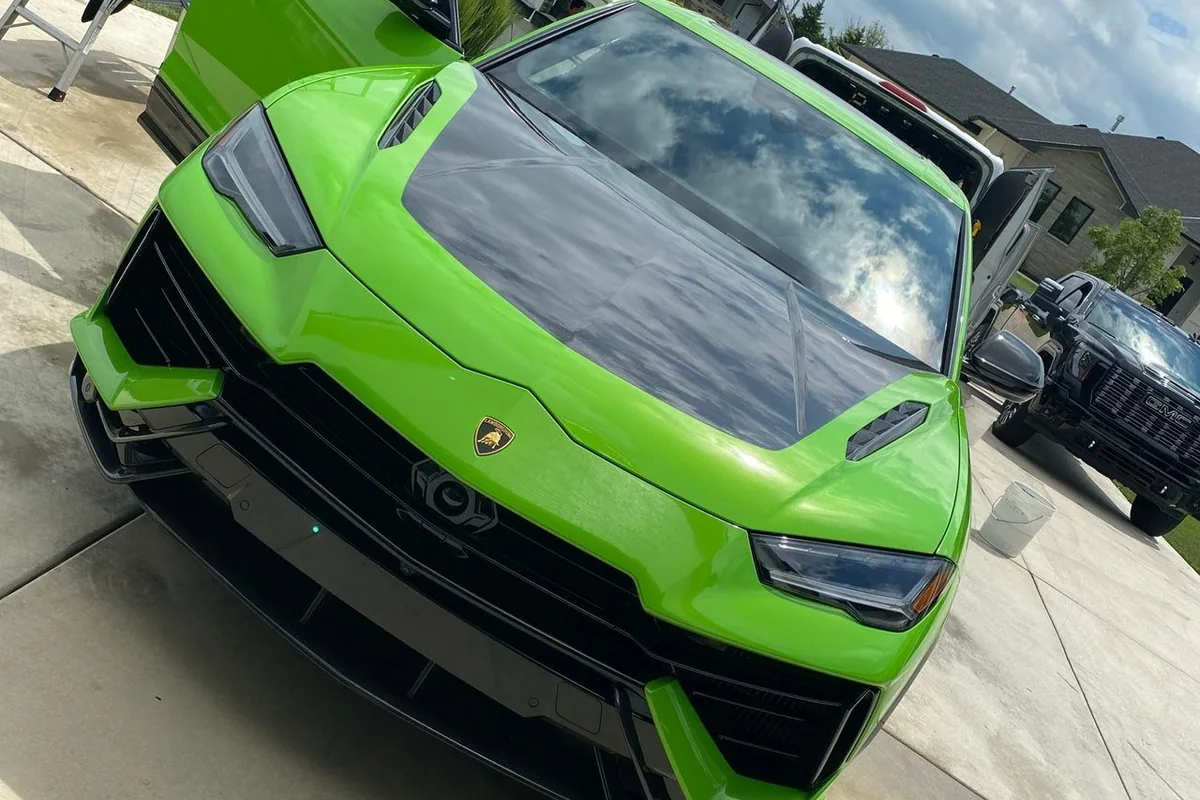
It also helps the paint resist UV exposure, road salt, bird droppings, tree sap, water spots, and chemical staining. For a vehicle that lives outside in Wichita, those are the exposures that gradually affect a finish. You can read more about RP Auto Detailing ICT’s Ceramic Coatings service for the service itself.
Starting early means the paint spends less time collecting damage before it has any protection. That’s the strongest argument for coating a new vehicle, and the reason the question comes up at purchase.
What Does a Ceramic Coating Not Do?
A ceramic coating isn’t scratch-proof, maintenance-free, or permanent, and it doesn’t replace regular washing. The table below shows where a coating helps and where it doesn’t.
| Concern | Does a coating address it? | What to expect |
|---|---|---|
| UV, road salt, bird droppings, sap | Helps resist | Cleanup gets easier; the paint isn’t immune |
| Rock chips | No | A coating isn’t impact protection |
| Hail and parking-lot dings | No | Physical damage needs a different kind of protection |
| Existing swirls or contamination | No | A coating preserves them rather than hiding or fixing them |
| Regular washing | Doesn’t replace it | Gentle washing still does most of the work |
Physical impact is the biggest gap. A coating doesn’t offer the same protection as paint protection film, and hail is a real consideration in Kansas. If impact is your main concern, a coating addresses a different problem, and it’s worth knowing that before you decide what to buy.
How Soon After Purchase Can You Ceramic Coat a New Car?
There’s no universal waiting period, and any figure you’re quoted needs an explanation behind it. Factory finishes are generally cured by the time the vehicle is delivered. Panels that have been repainted after the fact, such as after a body shop repair, are a different situation, and installers often advise letting fresh paint cure fully before coating it. Ask what applies to your vehicle, particularly if anything was repaired or repainted before you took delivery.
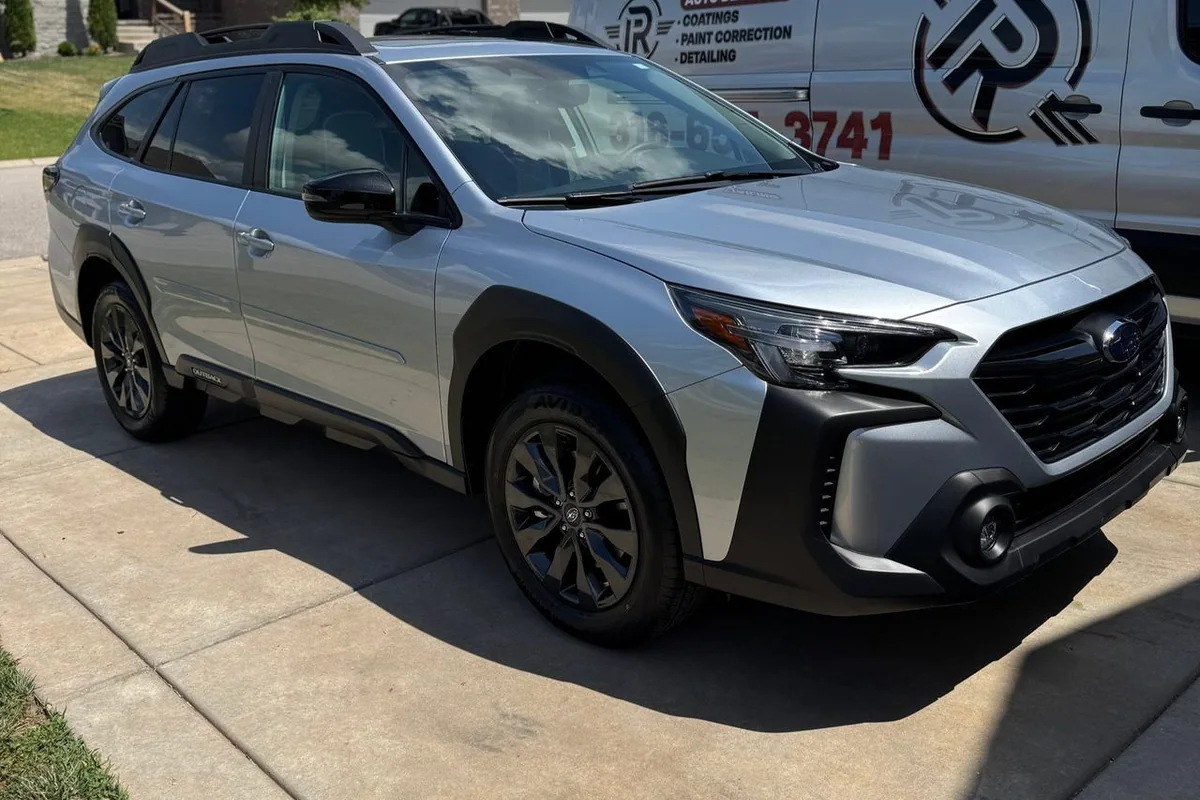
Beyond that, sooner is generally better than later, within reason. The longer a new vehicle sits outside uncoated, the more contamination it collects and the more preparation it may need. Booking an inspection soon after purchase avoids that, and if your vehicle is still being delivered, you can plan the appointment before it arrives.
How Do Dealership Protection Packages Fit In?
Dealership protection packages vary widely in what the product is, how it’s applied, and what the terms cover. Whatever you’re considering, ask the same questions you’d ask any provider: what exactly is the product, how is the paint prepared before it’s applied, who does the work, and what do the terms say about care requirements?
Written answers beat verbal ones. This isn’t a case for or against any option. It’s a case for comparing like with like.
Questions about your vehicle’s paint warranty, and how a protection product interacts with it, belong with the warranty documents or the manufacturer’s representative. Don’t rely on assumptions either way.
Why Do Wichita Conditions Raise the Stakes?
A vehicle parked outdoors in Wichita is exposed to more wear than one kept in a mild, sheltered setting. Strong sun and heat work on the clear coat over time. Dust settles and can act as a mild abrasive whenever it’s wiped off dry. Spring pollen and fall leaf debris sit on the surface and can stain it if left, and winter road salt and brine can collect in seams, lower panels, and wheel wells.
A coating is designed to help the paint resist several of these, and it makes cleanup after each one easier. It doesn’t make a vehicle immune to them. If your new vehicle is parked in a garage most of the time, the benefit may be smaller, and the case for coating depends more on how long you’ll own it. If it lives in a driveway or an open lot, the case is stronger. The same applies just outside the city, and we cover local options on our ceramic coatings in Maize and ceramic coatings in Derby pages.
Is Ceramic Coating Worth It on a New Vehicle?
It depends on how you use the vehicle and how long you plan to keep it. Coating tends to make the most sense for owners who intend to keep a vehicle for years, park it outdoors regularly, and want easier upkeep. It may make less sense for a short lease or a garage-kept vehicle that rarely sees weather.
Our guide to ceramic coating versus wax and paint sealant walks through how the options compare, which helps when ownership length is the deciding factor.
There’s no obligation to coat a new vehicle, and good habits alone go a long way. A gentle washing routine, prompt removal of bird droppings and sap, and avoiding brush washes protect new paint at little expense.
How Should You Care for New Paint, Before and After Coating?
Gentle hand washing and prompt cleanup protect new paint, coated or not.
What Should You Do in the First Weeks?
The first weeks come down to a short list of habits. Whatever you decide about coating, these steps protect new paint:
- Inspect early. Look over the paint in direct sunlight within the first few days and take photographs, which document the starting condition and help any later conversation about preparation.
- Wash by hand. Use a clean mitt and pH-neutral soap, and avoid automatic washes with spinning brushes.
- Rinse contaminants promptly. Bird droppings, sap, and bug residue shouldn’t be left to bake in.
- Rinse before wiping. Don’t wipe dust off a dry vehicle.
- Hold off on wax or sealant. If you plan to coat the vehicle, wax or sealant applied in the meantime adds a layer that has to be removed first.
How Do You Care for a Coating After It Goes On?
Once a coating is applied, follow the installer’s initial curing and washing instructions. After that initial period, hand washing, gentle drying, and prompt cleanup of contaminants do most of the work.
Our article on ceramic coating care in Wichita explains what to watch for as the months go by, including how to read changes in water behavior without assuming the worst.
Questions to Ask Before Choosing a Ceramic Coating Provider
Good questions bring out how a provider works, and the answers say more than a price on its own. Ask these six before you book:
- Inspection. How will you inspect the paint on my vehicle, and what will you do if you find swirls or contamination?
- Correction. Do you expect my vehicle to need correction, and how will you decide?
- Preparation. What does preparation include before the coating is applied?
- Finish. Is my finish suitable for the product you plan to use, especially if it’s matte or satin?
- Care. What care does the coating need, and how soon can I wash the vehicle afterward?
- Repairs. If anything was repainted or repaired before I bought the vehicle, how does that affect timing?
You’re looking for specific answers that refer to your vehicle, not a standard script. A provider who asks you questions in return, about how you park, how you wash, and how long you plan to keep the vehicle, is usually thinking about the right things.
A new vehicle is a good candidate for ceramic coating, provided the paint is inspected and prepared first, because the coating preserves the finish you give it.
Frequently Asked Questions
Should I ceramic coat a new car?
Ceramic coating suits many owners who keep a vehicle for years and park outdoors, because it helps protect the paint from the start. Inspect and prepare the paint first, since a coating preserves the condition of the surface it’s applied to.
Does a new car need paint correction before coating?
Sometimes, and often only lightly. New paint can carry contamination or light marks from transport and dealership washing, and a coating preserves whatever it covers. An inspection decides whether decontamination alone is enough or a light polish is worthwhile, not the age of the vehicle.
How soon after buying can a new car be coated?
There’s no universal waiting period. Factory finishes are generally cured, while repainted panels may need time to cure fully before coating. Ask what applies to your vehicle, especially if anything was repaired before delivery, and note that waiting outdoors uncoated adds contamination.
Can you ceramic coat a matte finish?
Matte and satin finishes need coating products designed for them, and they don’t polish like gloss paint, because polishing changes the sheen. Tell the provider about the finish at the start and ask directly whether their service and products are suitable for it before you book.
Will a coating protect a new car from rock chips or hail?
No. A coating isn’t impact protection. It helps the paint resist UV exposure, road salt, bird droppings, sap, and staining, but it doesn’t protect against rock chips, hail, or parking-lot dings. If physical impact is your main concern, a coating addresses a different problem.
Does a dealership paint protection package replace a coating?
Packages vary widely, so the answer depends on the product. Ask what it is, how the paint is prepared before it’s applied, who does the work, and what the terms say about care, so you can compare like with like. For paint warranty questions, check the warranty documents or ask the manufacturer’s representative.
Explore Ceramic Coating for Your New Car in Wichita
A new vehicle deserves a protection plan that matches its condition, finish, and how you use it.
To discuss Ceramic Coating options for your new vehicle, contact RP Auto Detailing ICT at (316) 655-3741 for a quote or appointment. You can also explore the Ceramic Coatings service page before booking. To see how surface prep works before any coating goes on, read why paint correction matters before ceramic coating, explore paint correction in Wichita, or contact our team.