
When you invest in ceramic coating for your vehicle, the protection starts the moment it’s applied, but how well it performs over time depends on how you care for it. The good news is that ceramic coating reduces ongoing maintenance compared to wax or sealant. The maintenance it does need is straightforward and fits into a regular vehicle-care routine.
For Wichita drivers, knowing when your coating needs attention is just as important as washing it correctly. Changes in water behavior, gloss, and surface texture can help you recognize when routine maintenance is enough and when additional care may be necessary.
What Ceramic Coating Actually Requires
Ceramic coating is designed to be low-maintenance, not maintenance-free. The coating bonds to your vehicle’s clear coat and creates a hydrophobic surface that repels water and makes contaminants easier to remove. But it still needs regular attention to maintain its protective properties.
The foundation of ceramic coating care is washing. Regular washing removes dust, pollen, road grime, bird droppings, tree sap, and other contaminants before they have a chance to accumulate or damage the surface.
Maintenance requirements can also vary depending on the product and application. Understanding these differences is helpful when choosing the right ceramic coating for your vehicle.
The Right Way to Wash a Coated Vehicle
Washing frequency depends on your driving habits and how much the vehicle is exposed to the elements. A vehicle parked outdoors and driven daily through Wichita’s dusty conditions might need washing every two weeks. One that’s garaged and driven occasionally might be fine with monthly washing. The key is consistency and technique.
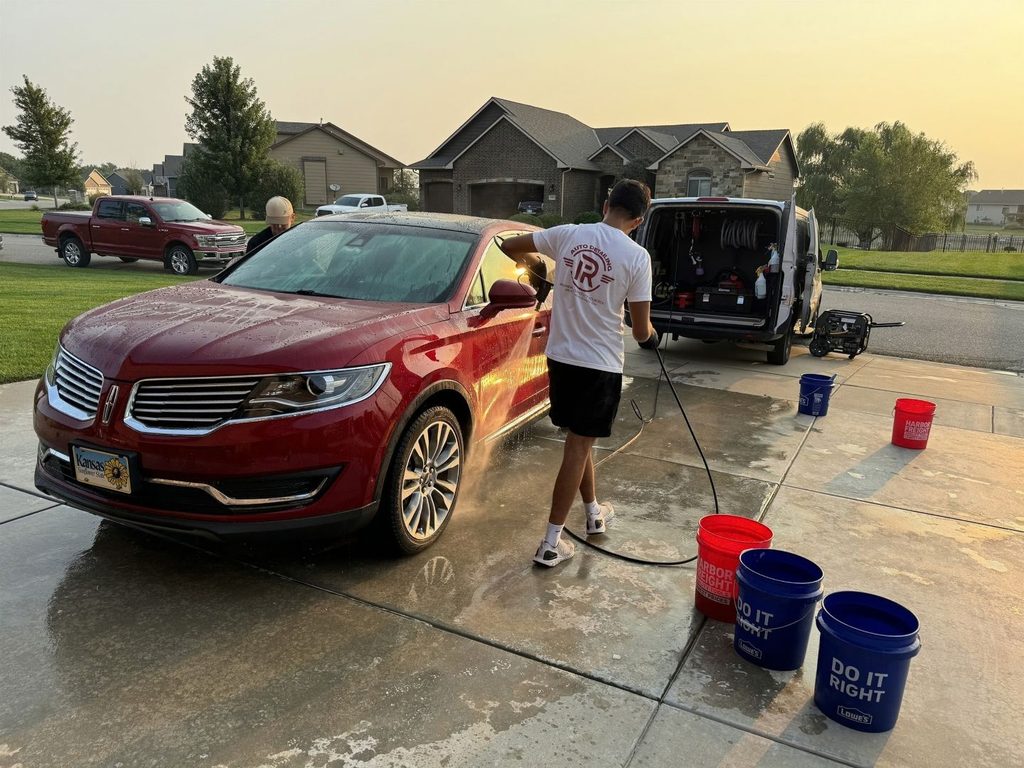
Hand washing is generally the gentlest approach. Use a soft wash mitt or microfiber cloth, working from the top of the vehicle downward. A two-bucket method, with separate buckets for soapy water and rinsing, helps prevent dragging dirt across the paint.
For the soap itself, avoid harsh degreasers or dish soap. Use a pH-neutral automotive shampoo suitable for coated vehicles to remove grime without exposing the surface to unnecessarily aggressive cleaning chemicals.
When using a pressure washer, maintain a safe distance and avoid directing concentrated high-pressure spray at damaged paint, loose trim, or vulnerable edges.
Drying is the final step. Use a soft microfiber drying towel rather than letting the vehicle air-dry, which can leave water spots.
For additional washing techniques, RP Auto Detailing ICT shares five practical tips for maintaining a ceramic-coated vehicle.
Avoid These Common Mistakes
One of the easiest ways to prematurely wear a ceramic coating or damage the paint beneath it is through poor washing habits. Automated car washes with rotating brushes are a common culprit. They’re convenient but can introduce swirl marks and surface scratches.
Pressure washers set too high or used too close to vulnerable surfaces can also cause damage. Road salt, particularly during winter, can contribute to corrosion if left on exposed vehicle components. Rinse away road-treatment residue when conditions permit.
Bird droppings, tree sap, and other stubborn contaminants should be addressed promptly. These substances can cause staining or etching when left on the surface. Rinse away loose debris first and use an appropriate automotive cleaning product rather than rubbing contaminants directly against the paint.
Seasonal Care for Wichita Weather
Wichita’s weather creates specific maintenance considerations. Summer brings strong UV exposure, heat, and dust, all of which increase the need for regular cleaning. More frequent washing during dusty periods helps prevent contamination buildup.
Fall introduces leaves, organic debris, and changing temperatures. Removing accumulated debris helps reduce staining and keeps drainage areas clear.
Winter adds road salt and brine from municipal road treatments. During winter, rinse the undercarriage and wheel wells regularly when temperatures permit to remove salt buildup. Before winter arrives, a thorough wash and inspection can help identify areas that need attention.
Spring pollen season in Kansas means increased airborne contaminants. Washing more frequently during heavy pollen periods helps keep buildup under control. After winter ends, another thorough cleaning removes remaining road-treatment residue and prepares the vehicle for warmer weather.
Inspecting Your Coating
Every few months, perform a simple inspection after washing and drying your vehicle. Look at the paint under good lighting and pay attention to changes in gloss, surface texture, and water behavior.
Gloss and clarity: A properly maintained coating should help preserve a glossy, clear finish. If the surface looks dull or hazy, contamination may have built up. A thorough wash is a good first step. If the problem persists, professional detailing may be necessary.
Surface texture: If the paint feels rough or gritty after washing, bonded contaminants may be present. Avoid rubbing a dry cloth over these areas, as trapped particles can scratch the finish. Professional decontamination may be appropriate when ordinary washing cannot remove the buildup.
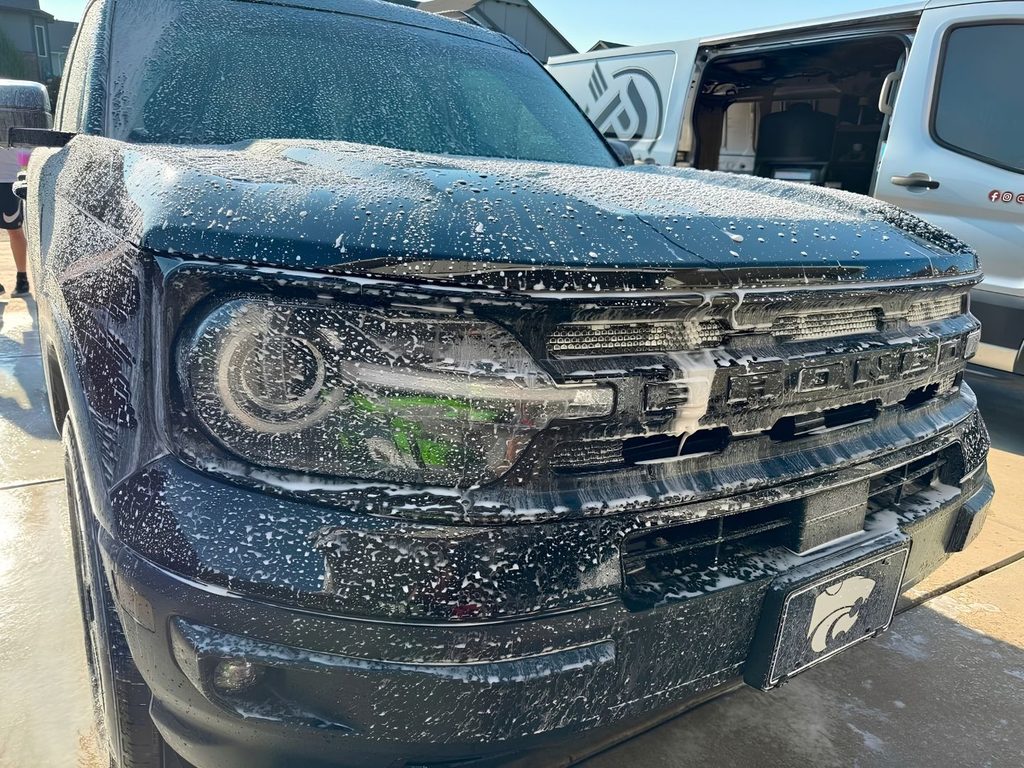
Water behavior: Lightly spray water onto a clean, coated painted panel and observe how it behaves. Ceramic coating commonly creates distinct water beads that roll off the surface. If water spreads flat instead of beading, surface contamination may be affecting the coating’s hydrophobic performance.
Reduced water beading does not necessarily mean the coating has failed. Mineral deposits, dirt, and other buildup can interfere with water behavior. If a thorough wash does not improve the results, professional assessment can help determine whether additional treatment is needed.
When to Get Professional Help
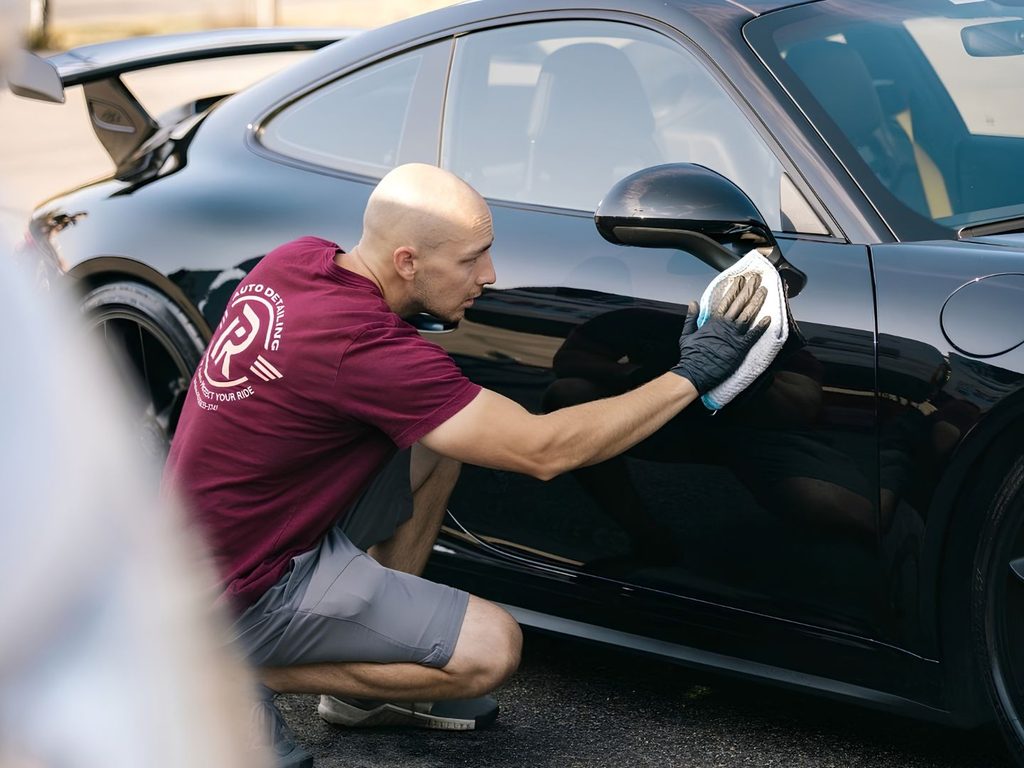
Ceramic coating doesn’t eliminate the need for professional detailing. It changes what that detailing looks like. Maintenance for a coated vehicle generally focuses on gentle cleaning and suitable decontamination rather than unnecessary polishing or correction.
If water stops beading even after thorough washing, if you notice etching or staining that won’t come clean, or if the coating appears inconsistent across different panels, professional assessment is worthwhile.
RP Auto Detailing ICT offers professional Ceramic Coatings in Wichita, KS. The team can help evaluate your vehicle’s condition and discuss appropriate protection options.
The Payoff of Proper Maintenance
The reason ceramic coating maintenance is worth the effort is that it helps preserve your investment. A well-maintained coating can continue delivering hydrophobic properties, easier cleaning, and enhanced gloss throughout its service life.
Without consistent care, contaminants can accumulate on the surface and reduce water-repellent performance, making routine cleaning more difficult.
The maintenance routine itself is simple: regular gentle washing with proper technique and pH-neutral soap, prompt removal of contaminants like bird droppings or sap, seasonal adjustments to washing frequency, and occasional professional detailing when routine washing isn’t enough.
For Wichita vehicle owners who park outdoors, this routine becomes part of a regular vehicle-care schedule. Monitoring the coating’s appearance and water behavior also makes it easier to recognize when additional care may be necessary.
Frequently Asked Questions
Can I use regular car wash soap on my ceramic-coated vehicle?
Many automotive shampoos are suitable for ceramic-coated vehicles, but pH-neutral products designed for coated paint are a dependable choice. Avoid harsh degreasers or dish soap, and follow any maintenance instructions provided by your coating installer.
How often should I wash a ceramic-coated car in Wichita?
Every two weeks to a month may be appropriate for many vehicles, depending on driving habits and exposure to dust, pollen, and road grime. Garaged vehicles may need less frequent washing. Remove bird droppings and other potentially harmful contaminants promptly.
Will an automated car wash damage my ceramic coating?
Automated car washes with brushes can create swirl marks and accelerate surface wear compared to gentle hand washing. Touchless systems avoid direct brush contact but may use stronger chemicals. Hand washing with suitable products is generally the preferred approach.
What should I do if bird droppings land on my coated vehicle?
Remove them as soon as practical. Gently soften and rinse away the contamination using water and a suitable automotive cleaning product. Avoid rubbing dried debris across the paint. If staining remains, professional assessment may be necessary.
Does poor water beading mean my ceramic coating has worn off?
Not necessarily. Dirt, mineral deposits, and bonded contaminants can reduce hydrophobic performance. Start with a thorough wash and check the water behavior again. If the problem persists, a professional inspection can help determine whether the coating needs decontamination or additional attention.
Keeping Your Coating in Good Condition
Proper maintenance helps preserve your vehicle’s appearance and makes changes in Ceramic Coating performance easier to identify.
If you’re noticing persistent contamination, reduced water beading, or changes in your vehicle’s finish, contact RP Auto Detailing ICT at (316) 655-3741 to discuss your vehicle’s condition and available Ceramic Coatings services.