If you drive your car every day, you already know what that means for its paint: dust from the highway, bug splatter, bird droppings, direct sun in the summer, and road grime that seems to reappear the day after every wash. So it’s a fair question — is ceramic coating actually worth it for a daily driver, or is it something better suited to a garage-kept weekend car?
The honest answer is: it depends on how you drive, where you park, and what you actually want out of the investment. Below, we’ll break down exactly what ceramic coating does, who tends to benefit the most from it, and where it doesn’t make sense — so you can make a decision based on your specific vehicle instead of guesswork.
What Ceramic Coating Actually Does for a Daily-Driven Vehicle
Ceramic coating adds a genuine protective layer on top of your vehicle’s paint. Once applied, it creates a hydrophobic surface — meaning water beads up and rolls off more easily instead of sitting and drying into spots. That same hydrophobic behavior also helps light dust and contamination rinse away more readily during a normal wash, rather than baking onto the paint under the sun.
For a daily driver, that translates into two practical, real-world benefits:
- Easier washing. Contamination that would normally require scrubbing tends to rinse off with less effort.
- Better gloss retention over time. Coated paint generally holds its finished look longer than unprotected paint exposed to the same daily conditions.
What coating does not do is clean your vehicle on its own, make the paint immune to scratches, or eliminate the need for maintenance entirely. It protects whatever condition your paint is in at the time of application — it doesn’t erase existing swirl marks or oxidation. That’s an important distinction, and one worth understanding before you book anything.
Why Daily Drivers Are Often Good Candidates
A vehicle that’s parked outside and driven regularly is exposed to considerably more of the elements than a car that mostly sits in a garage. Dust, pollen, tree sap, road salt in the winter, and intense summer sun all accumulate faster on a daily driver. That’s exactly the kind of exposure where coating’s easier-maintenance and gloss-retention advantages tend to matter most.
If your daily routine includes any of the following, coating is generally worth serious consideration:
- Regular highway driving or a long commute
- Outdoor parking at home, work, or both
- Limited time for frequent hand-washing
- A goal of keeping the vehicle looking sharp for resale down the road
The real value for a daily driver isn’t a “maintenance-free” car — it’s a car that’s genuinely easier to keep looking good with the maintenance you’re already doing.
What About Older Vehicles?
Ceramic coating isn’t reserved for brand-new cars. It can be applied to older, higher-mileage daily drivers too — but existing paint condition matters considerably more here than it does on a car fresh off the lot.
Since coating protects the condition that’s already there rather than improving it, a vehicle with noticeable swirl marks, light scratches, or dull, oxidized paint will often benefit from an evaluation — and possibly paint correction — before coating goes on. Skipping that step and assuming an older vehicle is “too far gone” for coating is a common but avoidable mistake. In many cases, correcting the paint first and coating afterward locks in a considerably better-looking result for the long haul.
Does It Matter If You Park Outside or in a Garage?
Yes, and it’s one of the more overlooked factors when people are deciding whether coating is worth it.
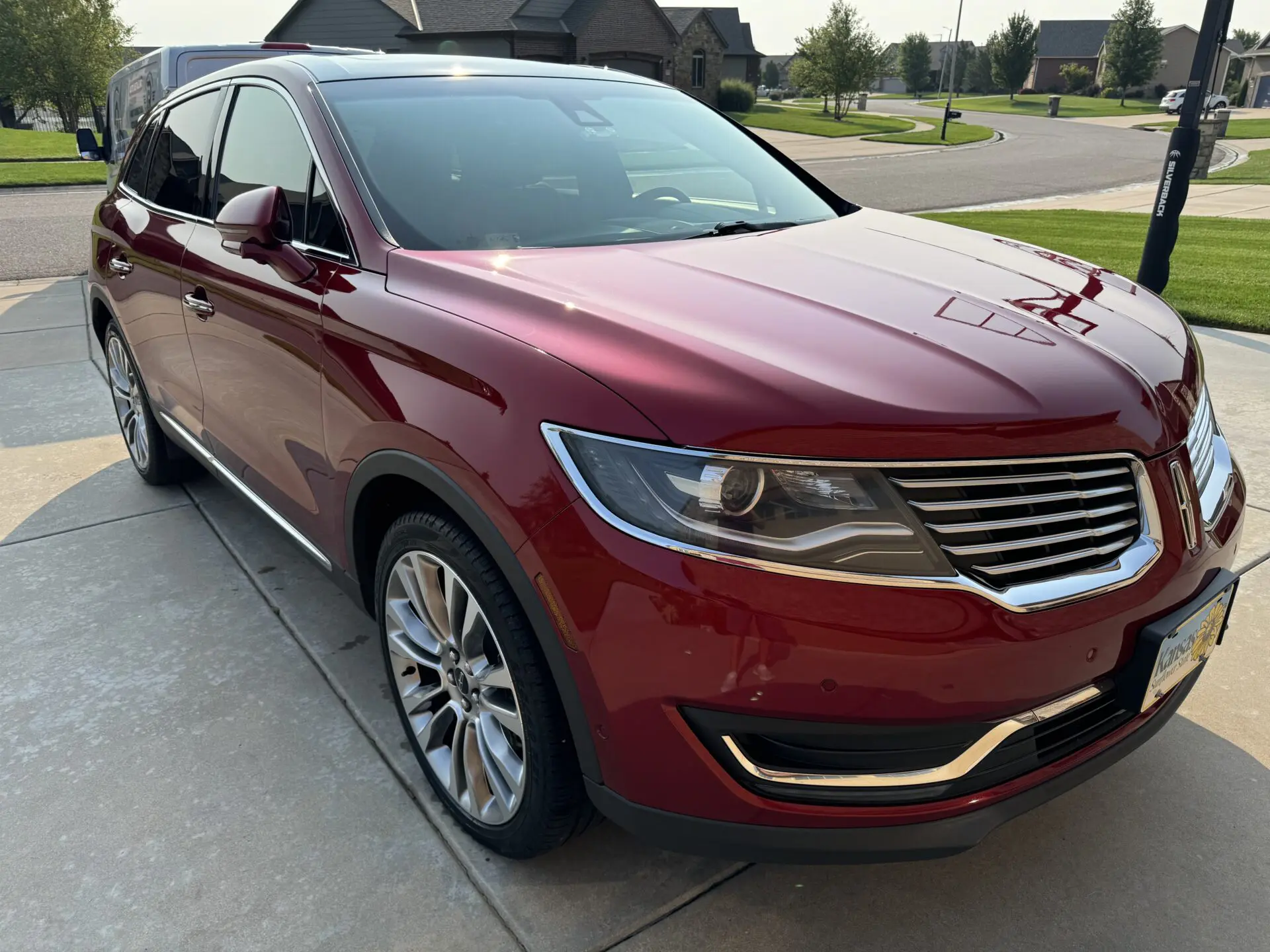
Outdoor-parked vehicles tend to see the most practical benefit. They face more cumulative sun exposure, dust, pollen, and contamination than garage-kept cars, so the easier-cleaning and gloss-retention advantages of coating line up directly with the actual conditions the vehicle deals with day to day.
Garage-kept vehicles, especially ones driven only occasionally, face considerably less exposure. That doesn’t mean coating has zero value for a garage-kept car — but the practical, day-to-day benefit is naturally smaller, since there’s simply less contamination and sun exposure to manage in the first place.
If your daily driver spends most of its time outside — whether that’s a driveway, a work parking lot, or street parking around Wichita — that’s genuinely one of the clearer scenarios where coating’s benefits match how the vehicle is actually used.
Who Might Not Need Ceramic Coating
Coating isn’t the right fit for every driver, and that’s a completely reasonable conclusion to land on. You may want to hold off on coating if:
- You rarely drive the vehicle and keep it garaged consistently
- Your main concern is rock chips or deep scratches — coating is a thin, bonded layer, not a physical barrier thick enough to absorb an impact from road debris
- You’re mainly looking for a way to avoid ever washing your car — coating makes washing easier, but it doesn’t remove the need for it
- Budget is tight and the vehicle is a short-term car you don’t plan to keep long-term
Being honest about which of these describes your situation will save you from paying for a service that doesn’t solve a problem you actually have.
Setting Realistic Expectations After Coating
One of the most common misunderstandings among first-time coating customers is assuming that a significant investment in coating means the car can basically be left alone afterward. That’s not how it works in practice.
A coated vehicle still needs:
- Regular washing (coating makes it easier, not optional)
- Continued attention to interior condition, which coating has no effect on at all
- Occasional exterior detailing to maintain the finished look over time
Coating changes how much effort your maintenance routine takes. It doesn’t eliminate the routine. Understanding that upfront is what leads to a genuinely satisfying long-term result, rather than disappointment six months in.
Is Ceramic Coating Worth It for Your Vehicle?
If you drive daily, park outside at least some of the time, and want a vehicle that’s easier to keep clean and glossy with less effort — coating is generally a strong fit. If your vehicle is rarely driven, kept in a garage most of the time, or your main concern is physical damage like rock chips, the value proposition is smaller, and that’s worth acknowledging honestly before booking.
The best way to know for sure is a real conversation about your specific vehicle, how you drive it, and what condition the paint is currently in.
Frequently Asked Questions
Does ceramic coating make my car scratch-proof? No. Coating is a bonded protective layer, not a physical shield thick enough to prevent scratches or rock chips. It protects against everyday contamination and helps maintain gloss, but it doesn’t make paint impervious to physical damage.
Do I still need to wash a coated car? Yes. Coating makes contamination easier to rinse away, but it doesn’t replace regular washing. Skipping washing entirely on a coated vehicle will still shorten how good the finish looks over time.
Can I get ceramic coating on an older or used vehicle? Yes, generally — but existing paint condition matters more on an older vehicle. An evaluation (and possibly paint correction first) helps ensure the coating locks in the best possible result.
Is ceramic coating worth it if I mostly park in a garage? It can still have value, but the day-to-day benefit is smaller than for a vehicle that’s regularly exposed to sun, dust, and outdoor conditions.
Talk to RP Auto Detailing About Your Vehicle
Every vehicle’s situation is a little different, and the right answer for your daily driver depends on how you actually use it. RP Auto Detailing ICT serves Wichita, Andover, Derby, and Maize, KS with ceramic coating, paint correction, and full-service auto detailing.
Call (316) 655-3741 or book an appointment online to talk through what makes sense for your specific vehicle.