
Wichita’s climate is never the same from month to month. Spring brings pollen and sudden storms. Summer brings strong sun, heat, and dust. Fall transitions with temperature swings and debris. Winter adds road salt, ice, and cold. Each season creates different challenges for vehicle paint and interiors, and each calls for a slightly different detailing approach.
Understanding when to address these conditions helps you schedule detailing appointments strategically, focus on the right maintenance tasks, and prevent avoidable buildup. A seasonal detailing calendar gives Wichita drivers a practical way to plan vehicle care throughout the year.
Spring: Pollen and Fresh-Start Detailing
Spring in Wichita brings pollen, rain, and the remaining grime from winter driving. This is a useful time to remove accumulated contaminants and inspect the vehicle before summer arrives.
Exterior focus: A thorough wash and decontamination removes winter grime and accumulated road salt, which can contribute to corrosion on exposed metal components. Check the paint for water spots, swirl marks, or contamination that routine washing hasn’t removed.
Paint Correction may be worthwhile if your vehicle accumulated visible swirl marks over winter. A clean, properly prepared surface also supports the application of protective treatments before summer.
Interior focus: Winter can leave salt residue and dirt tracked in on boots and clothing. Vacuuming, floor mat cleaning, and upholstery freshening help remove this accumulation.
If the cabin air filter is dirty or overdue for replacement, consider having it inspected or replaced separately according to the vehicle manufacturer’s recommendations.
Timing: Plan a thorough spring detail around April or early May, adjusting for weather and the amount of pollen or road residue on your vehicle.
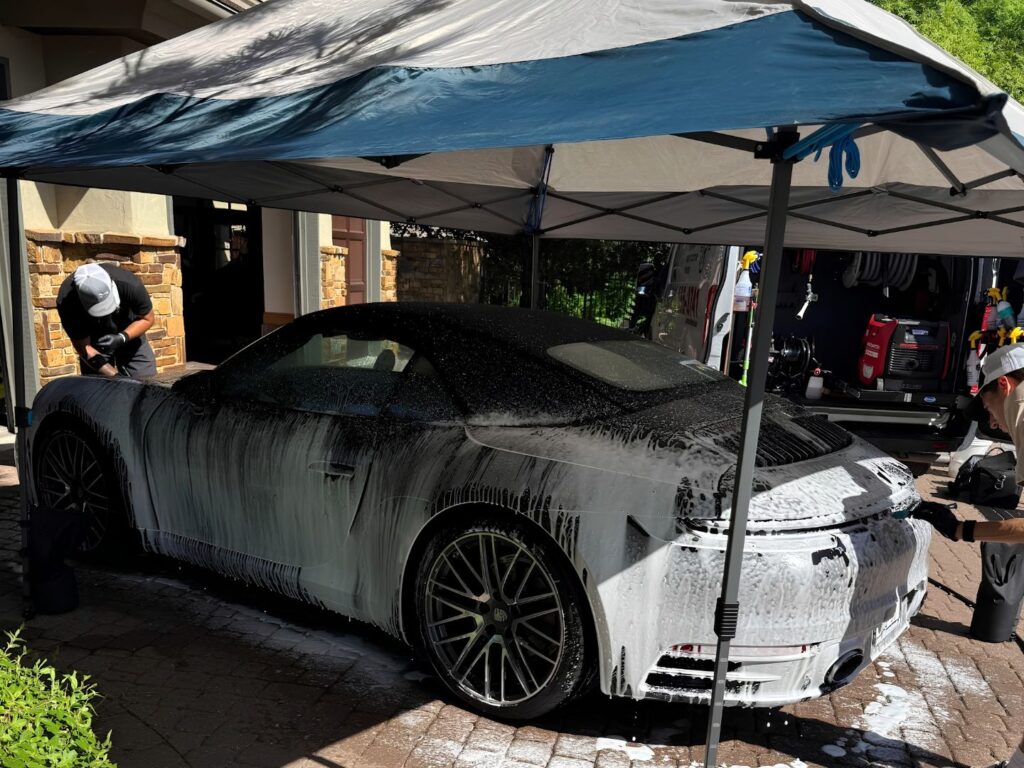
Summer: Sun and Heat Protection
Wichita summers are hot and sunny, creating challenges for exterior paint and interior materials. Strong sunlight, heat, insects, and dust make consistent maintenance especially important.
Exterior focus: Regular washing helps remove dust, pollen, insects, and road grime before they accumulate. Weekly or biweekly washing may be useful for vehicles frequently parked outdoors, depending on exposure.
If your vehicle has a ceramic coating, the hydrophobic surface can make routine washing easier. However, coatings do not eliminate the need for cleaning or prevent every form of environmental damage.
Late spring or early summer can be a convenient time to consider paint protection, although the appropriate application timing depends on the product and conditions.
Interior focus: Prolonged sun exposure and heat can contribute to fading and deterioration of interior materials. Regular cleaning, appropriate surface protection, and sunshades help reduce unnecessary wear.
Leather and upholstery may also benefit from conditioning products suitable for their materials.
Timing: Plan a thorough detail in late spring or early summer, followed by regular washing. A midsummer touch-up in July or August can address accumulated contamination.
Fall: Leaf Debris and Transition Care
Fall brings leaf debris, temperature swings, and the transition from summer heat to winter conditions. It’s a useful time to inspect vehicle surfaces and prepare for colder weather.
Exterior focus: Leaves, seeds, and organic debris can collect around trim, windshield edges, and drainage areas. Removing them regularly helps prevent trapped moisture and staining.
If your vehicle has scratches, swirl marks, or persistent contamination, fall is an opportunity to address these issues before winter road treatments begin.
Protective coatings or sealants can also be considered during this period to help prepare your vehicle for colder weather, provided application conditions meet the product’s requirements. Learn more about how Ceramic Coatings help protect vehicles during fall and winter.
Undercarriage care: Before winter road treatments begin, a thorough undercarriage rinse removes accumulated dirt and grime. Continue rinsing when necessary after exposure to treated roads.
Interior focus: Clean floor mats, carpets, and commonly touched surfaces before winter introduces additional moisture, salt, and dirt. Check the cabin air filter if it is due for maintenance.
Timing: September through October is a practical period for fall detailing. If you’re arranging service later in October, there is still time to address buildup and prepare the vehicle before winter conditions become more frequent.
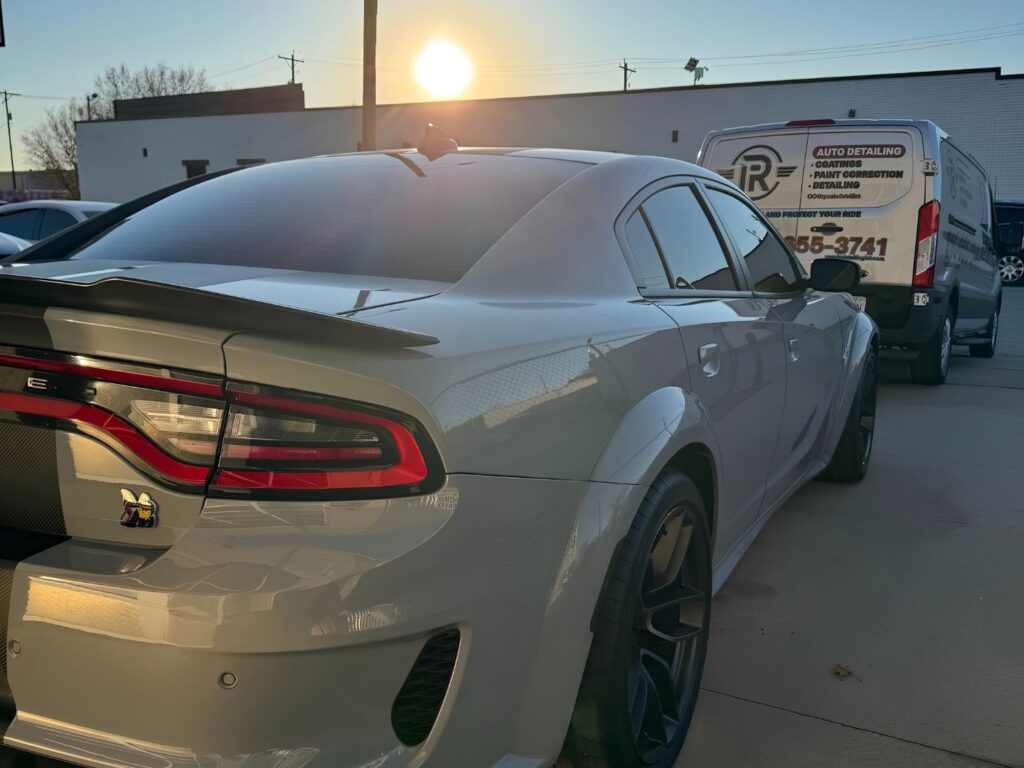
Winter: Salt, Grime, and Regular Maintenance
Winter in Wichita can bring road salt, brine, freeze-thaw cycles, and cold temperatures. Road treatments are particularly important to manage because salt can accelerate corrosion on exposed metal components.
Exterior focus: Regular washing helps remove salt and grime after driving on treated roads. Weekly or biweekly cleaning may be useful during periods of frequent exposure, provided weather conditions allow safe washing.
Undercarriage and wheel well rinsing are especially important. Salt and brine can accumulate in areas that are difficult to inspect, increasing corrosion risk when residue remains.
Pay attention to seams, trim, and areas where moisture collects. Remove accumulated debris and avoid allowing salt residue to remain for extended periods.
Protective coatings: Applying paint protection before winter is helpful, but colder weather does not automatically make application impossible. Suitable treatments can still be considered when product requirements and application conditions are met.
Ceramic Coating can make protected painted surfaces easier to clean, but it does not replace undercarriage rinsing or protect untreated metal components from rust.
Interior focus: Road salt and moisture tracked in on winter footwear can leave stains on carpets and floor mats. Regular vacuuming and mat cleaning help reduce buildup.
Leather and other interior materials should be cleaned and maintained using products appropriate for their condition.
Timing: Prepare for winter during October or early November, then adjust washing frequency throughout the season according to road conditions and salt exposure.
A Seasonal Detailing Calendar for Wichita Drivers
A practical maintenance schedule can help you prioritize the most useful detailing tasks throughout the year.
| Season | Recommended Timing | Detailing Priority |
| Spring | April–May | Thorough cleaning, winter residue removal, paint inspection, and interior refresh |
| Summer | June–August | Regular washing, sun protection, and mid-summer maintenance |
| Fall | September–October | Paint inspection, organic debris removal, and preparation for winter |
| Winter | November–February | Salt removal, undercarriage rinsing, and regular interior cleaning |
This calendar is a starting point rather than a fixed requirement. Vehicles parked outdoors, driven frequently, or exposed to harsher conditions may need more attention than those used occasionally.
For owners who prefer professional care, Auto Detailing services can help address seasonal cleaning needs. The appropriate service and timing depend on the vehicle’s condition, driving habits, and maintenance priorities.
RP Auto Detailing ICT serves Wichita and surrounding areas, including Andover, Derby, and Maize, helping vehicle owners plan professional care around their individual needs.
Frequently Asked Questions
How does Wichita’s climate affect vehicle detailing needs?
Wichita’s seasonal conditions create different maintenance priorities. Spring pollen and dust increase contamination, summer brings heat and sunlight, fall introduces leaves and debris, and winter may bring road salt. Adjusting cleaning routines to these conditions helps maintain your vehicle’s appearance.
Should I detail my car more often in winter?
Not necessarily. Frequent washing may be important when driving on salted roads, but that doesn’t mean you need a full professional detail every week. Focus on removing road-treatment residue, cleaning floor mats, and scheduling more thorough detailing when the vehicle’s condition requires it.
Is ceramic coating worth it in Wichita’s climate?
Ceramic Coating can help protect painted surfaces from certain environmental contaminants and make routine cleaning easier. It may be beneficial for vehicles frequently exposed to Wichita’s dust, sunlight, and seasonal grime. However, it doesn’t prevent all scratches, rock chips, or undercarriage corrosion.
What’s the most important seasonal detailing task I shouldn’t skip?
There isn’t one task that applies equally to every season, but removing winter road salt is particularly important. Rinsing the undercarriage and wheel wells after exposure to treated roads helps reduce salt buildup and corrosion risk. Regular exterior washing remains useful throughout the year.
Can I get my car detailed during winter in Wichita?
Yes. Professional Auto Detailing can still be performed during winter when weather and service conditions allow. Certain treatments, including Ceramic Coatings, have specific application requirements. Contact the detailer to confirm which services are appropriate for your vehicle and the conditions.
Planning Your Next Seasonal Detail
A consistent maintenance calendar makes it easier to address seasonal contamination before it becomes more difficult to remove. Whether you’re preparing for winter or refreshing your vehicle after a demanding season, the best schedule depends on how and where you drive.
For professional Auto Detailing in Wichita, KS, contact RP Auto Detailing ICT at (316) 655-3741 to discuss your vehicle’s condition and schedule an appropriate detailing service.